Screenplay Revision Colors: The Standard Order and How Revision Pages Work
By Gireesh Shanbbhag, Actor | Filmmaker | Screen Writer | Editor · Published 2026-10-09
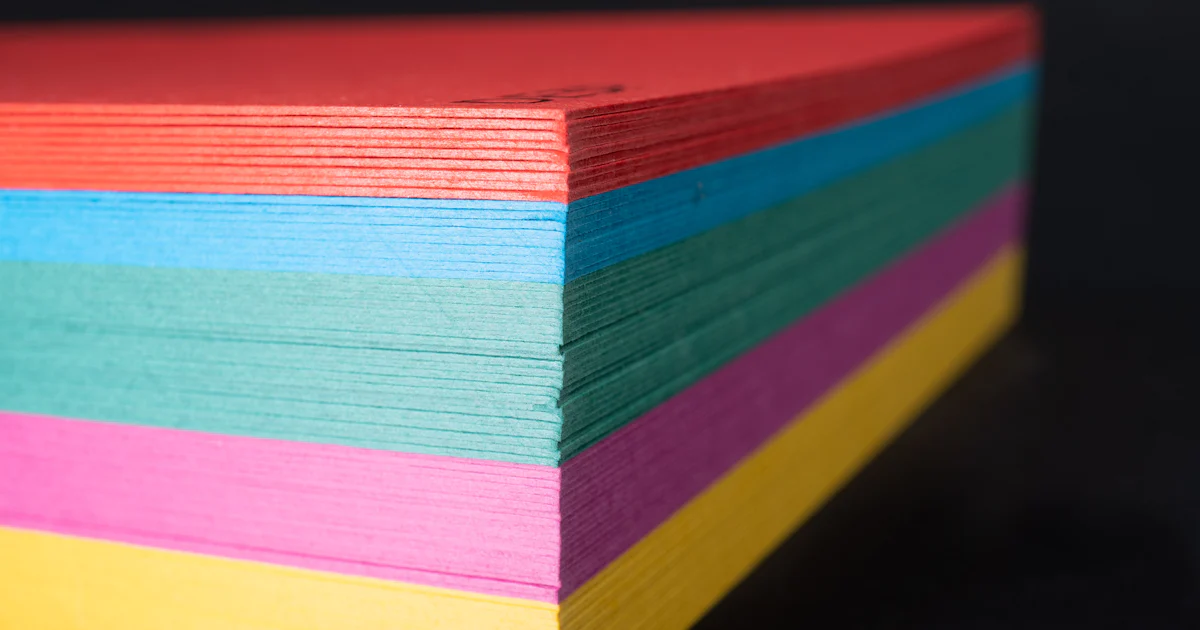
Quick answer: After a shooting script is locked, each new set of changes is issued on a different colour of paper so the crew can see what changed. The standard order is White (original), Blue, Pink, Yellow, Green, Goldenrod, Buff, Salmon and Cherry. Changed lines are marked with an asterisk (*) in the right margin, and only the changed pages are distributed. After Cherry, many productions cycle to "double" colours such as Double White and Double Blue.
Key takeaways
Revision colours are used only once pages are locked for production — not for spec drafts.
Only changed pages are reissued; the crew swaps them into their scripts.
Locked page numbers and scene numbers never change; new material becomes A-pages and A-scenes.
Each revision page shows the colour name and date in its header.
What is the standard revision colour order?
White — original shooting script
Blue — first revision
Pink — second revision
Yellow — third revision
Green — fourth revision
Goldenrod — fifth revision
Buff — sixth revision
Salmon — seventh revision
Cherry — eighth revision
After Cherry, productions commonly continue with Double White, Double Blue, Double Pink and so on. Some productions customise the order; the production office announces it.
How do revision pages work?
Locking: the 1st AD or script coordinator locks the shooting script — page breaks and scene numbers are frozen.
Revision marks: each changed line gets an asterisk in the right margin.
Headers: every revised page shows the revision colour and date, such as "Blue Rev. 14/10/26".
A-pages: if new material pushes text onto an extra page, it becomes page 23A rather than renumbering everything after it.
A-scenes: a new scene between 14 and 15 becomes 14A.
Omitted: a deleted scene keeps its number with the word OMITTED, so references in schedules stay valid.
Why not just send a new PDF?
Because the crew annotates their scripts — notes, blocking, continuity — and reprinting everything would wipe that work. Coloured pages let everyone replace only what changed and immediately see how current their script is.
Do I need revision colours on a small or Indian indie film?
Not always on physical paper, but the system still helps. Even when scripts are shared digitally, labelling revisions with colours and dates prevents departments working from different drafts — a common cause of costly mistakes on set.
Revision tracking in Kathe Kaara
Kathe Kaara includes 9 industry-standard colour-coded revision pages, named version snapshots at any time, line-by-line diff comparison between versions, a full activity log and one-click restore of earlier versions. Combine it with online collaboration so every department sees the current draft.
Frequently asked questions
What colour comes after white in script revisions?
Blue, followed by pink, yellow and green.
What does an asterisk in a screenplay margin mean?
It marks a line changed in the current revision.
Should a spec script use revision colours?
No. Spec scripts are sent clean, without revision marks, scene numbers or colours.
What happens when all colours are used?
Most productions start again with "double" colours — Double White, Double Blue — or follow their own published order.
Cover photo: Stack of coloured paper like screenplay revision pages — by The 77 Human Needs System on Unsplash.