How to Make a Storyboard (Even If You Can’t Draw)
By Gireesh Shanbbhag, Actor | Filmmaker | Screen Writer | Editor · Published 2026-10-11
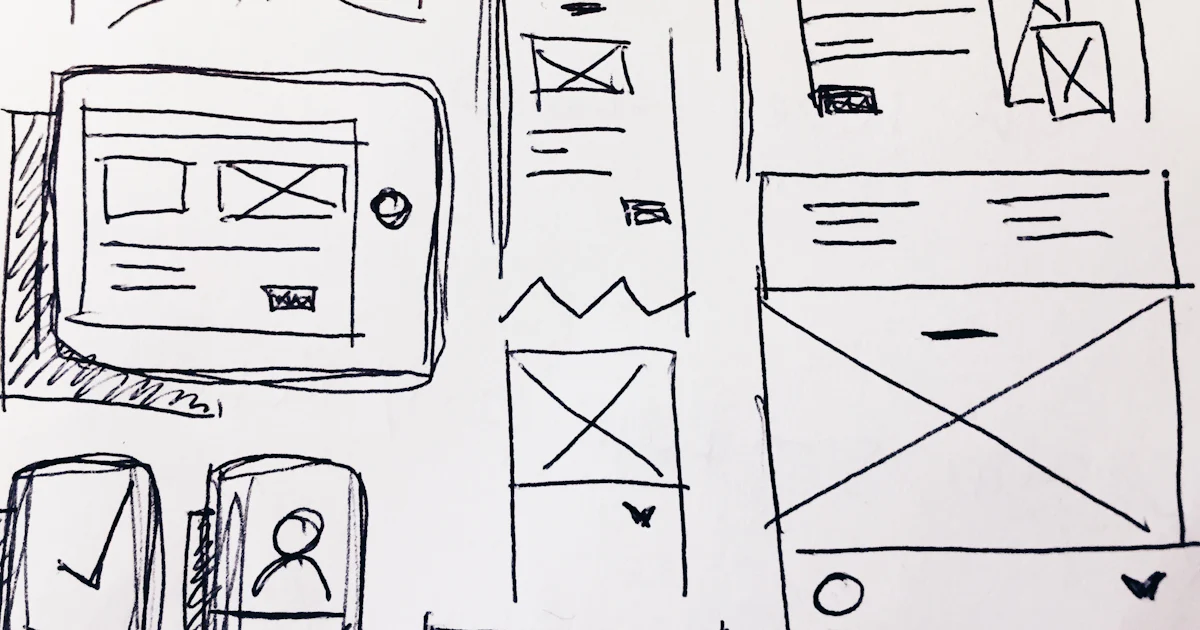
Quick answer: To make a storyboard, start from the shot list, draw (or photograph) one frame per shot showing composition — who is where, shot size and camera angle — and add arrows for camera or character movement. Under each frame, write the shot number, a one-line description, dialogue or sound cue and duration. Stick figures, phone photos with friends standing in, or reference stills all work; clarity matters more than art.
Key takeaways
Storyboard the scenes that are complex, expensive or emotionally critical — not necessarily every scene.
Each frame = one shot from the shot list.
Use simple symbols: arrows for movement, a box for a zoom, a dashed line for a pan.
Photo boards (phone photos of stand-ins on location) are fast and very accurate.
Why storyboard at all?
A storyboard lets the director, cinematographer, art department and VFX team see the same film before shooting. It exposes problems early — a missing angle, an impossible camera move, a set wall that must be removable — when they cost nothing to fix. It also speeds up the day: everyone knows the next setup.
How do you make a storyboard, step by step?
Pick the scenes. Action, stunts, VFX, songs, chase sequences and key emotional moments.
Write the shot list first. Shot size, angle, movement and lens for each shot.
Prepare frames in the aspect ratio you will shoot (16:9, 2.39:1).
Sketch composition: where characters stand, the horizon line, foreground objects. Stick figures are fine.
Show movement with arrows: camera arrows outside or across the frame, character arrows inside.
Caption each frame: shot number (22B), description, dialogue or sound cue, estimated duration.
Review with the cinematographer, then share with departments.
What if I can't draw?
Photo boards: visit the location with two friends, frame each shot on your phone, and use the photos.
Reference frames: pull stills from films with similar compositions (for internal use only).
3D previsualisation: free 3D tools let you place mannequins and cameras.
Simple shapes: circles for heads, rectangles for bodies, arrows for direction — that is enough for a crew to read.
What should each frame include?
Shot number matching the shot list and slate
Shot size and angle
Characters and key props in position
Movement arrows
Dialogue, sound effect or music cue
Transition to the next frame, if specific (match cut, smash cut)
Storyboarding a song sequence
Song sequences in Indian films are often shot in many locations with choreographed camera moves. Board them by lyric line or musical phrase: each frame notes the timecode in the track, location, choreography beat and camera move. This helps the choreographer, cinematographer and editor work from the same plan.
Storyboards in Kathe Kaara
In Kathe Kaara, each shot in the shot list can hold one or more storyboard frames — upload sketches, photos or reference images, reorder frames by dragging, and export a storyboard PDF contact sheet for the crew. Because frames are linked to shots and shots to script lines, a script change shows you exactly which boards need updating.
Frequently asked questions
How many frames does a storyboard need?
One per planned shot, plus extra frames for shots with significant movement.
What is an animatic?
A storyboard edited into a video with timing, temporary sound and music, used to test pacing before shooting.
Do low-budget films need storyboards?
Yes, for complex scenes. They save the most money where time on set is scarce.
What size should storyboard frames be?
Use your final aspect ratio; 6 to 9 frames per printed page is common for contact sheets.
Cover photo: Hand-drawn storyboard-style frame sketches — by Danae Paparis on Unsplash.